
Shorts
Quick lessons on modes, improvisation, and fretboard mastery. Each short breaks down one concept you can practice today.
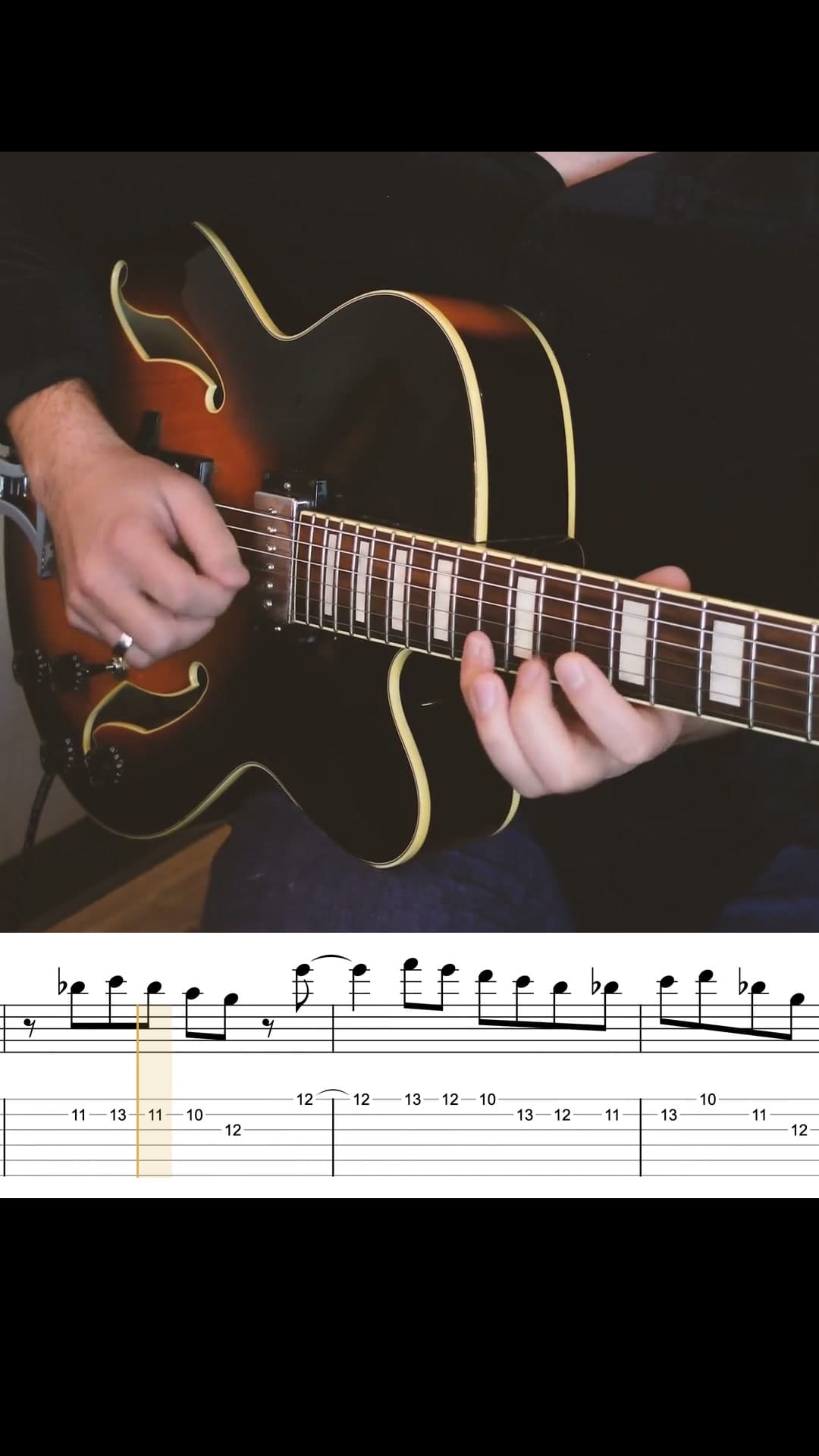
Cannonball Adderley's Opening Line on "Milestones"
The opening line of Cannonball Adderley's solo on "Milestones," played on guitar with the notation and TAB scrolling under the video
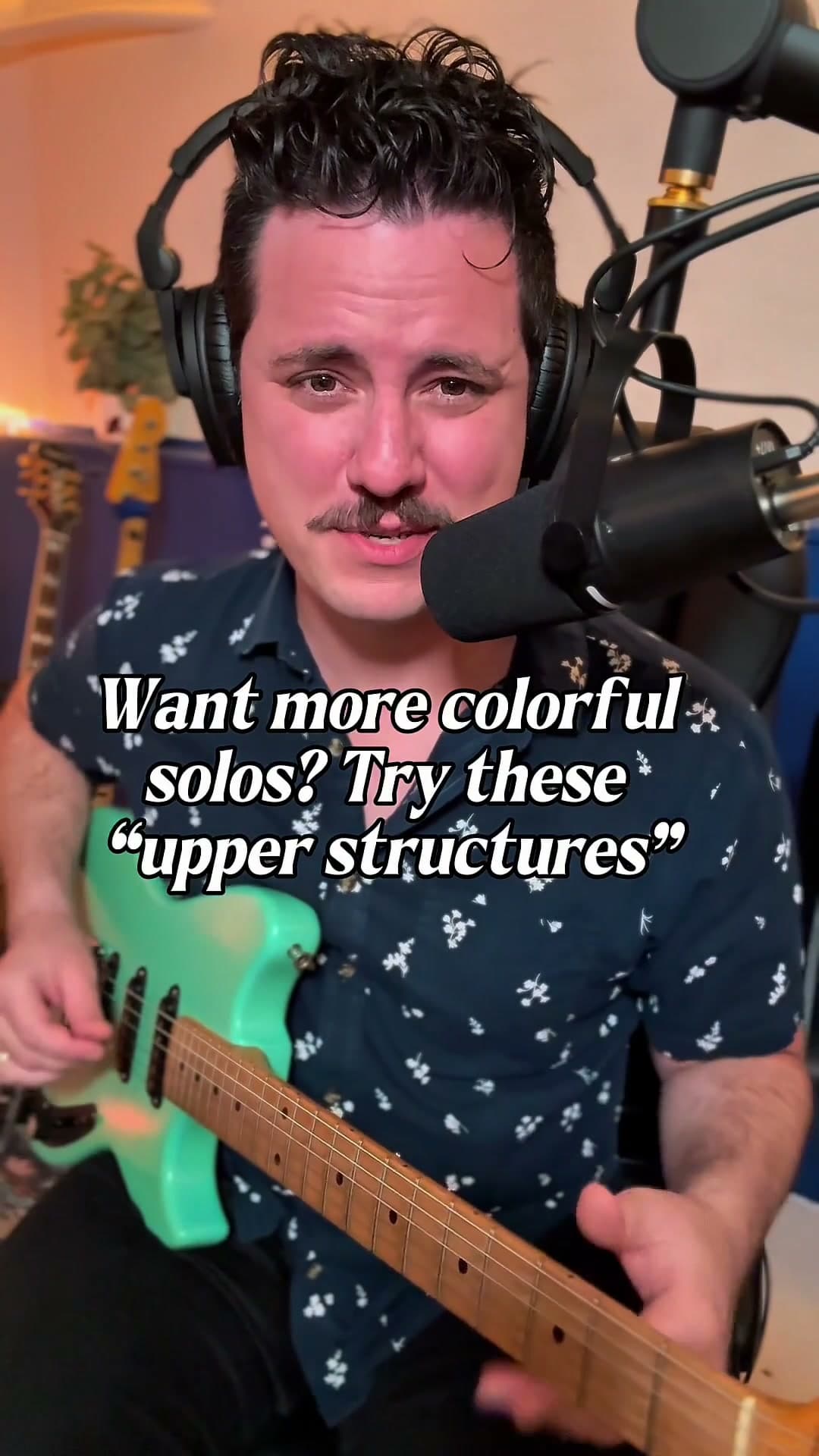
Upper Structures Over a C Major Chord
Upper structures give you a wider palette for your guitar solos

Beyond Rhythm and Lead: Melody, Harmony, and Rhythm
The distinction between "rhythm guitar" and "lead guitar" is **not very useful**

Building a Rhythmic Foundation for Improvisation
Guitarists often **overemphasize harmony** at the expense of rhythm

How to Practice Improvising Without a Backing Track
Use **stock progressions** (common chord progressions) as a launching point

Developing Outside Sounds in Your Improvisation
Practice **inside-outside-inside** over a drone

Playing the Changes: What It Means and How to Do It
means outlining chords as they happen in your solo

Is the Blues Scale a Real Thing?
The "blues scale" with chromatic notes doesn't always sound bluesy in practice

Playing Scales on One String: A New Perspective
Playing scales on **one string** reveals the interval pattern visually

Tips for Practicing Scales on Guitar
Play everything in one position

Expanding Your Playing with Pentatonic Scales
Instead of E minor or E major pentatonic over E, try **B minor pentatonic**

Applied Arpeggios: Minor Chords Part 1
Build different arpeggios on top of a **minor chord drone** for varied sounds

How to Improve Flow and Speed with Arpeggios
for fluid arpeggio playing

Arpeggios: The Key to Better Guitar Lines
Find **arpeggio shapes that align with chord voicings** you already know

How to Play a 7sus4 Arpeggio
The **7sus4 arpeggio** is a standard 7th arpeggio with the 4th added

Using Half-Diminished Chords in Your Playing
have an upper voice that sounds like a dominant 7

Adding Color to Dominant Chords
Add color to **dominant 7th chords** by playing related arpeggios

Harmony and Chord Voicing on Guitar
Each note in a chord is called a **voice**

Using Low String Voicings for Common Chord Progressions
Use **low string voicings** for a deeper, richer sound

Chord Voicing Concepts Every Guitarist Should Know
Limit yourself to **3 adjacent strings** to discover new voicings

Chord Inversions 101: The Basics
An **inversion** rearranges the notes of a chord (same notes, different order)

Hearing Diatonic Chords: A Theory Exercise
Play the major scale on one string, then add a third above each note

Finding the 1, 4, and 5 Chords in Any Key
Finding the **1, 4, 5** chords helps you play along with music by ear

Playing in a Key: Music Theory Basics
Build chords from the major scale to get the chords "in a key"

All About Relative Minor: A Complete Guide
Every major key has a corresponding **relative minor** key

Understanding the Mixolydian Scale
is a color variation of the major scale

You Don't Need Barre Chords: Alternatives That Work
You can play full progressions **without barre chords**

Guitar Finger Stretches for Better Flexibility
Build stretches into your playing rather than doing separate hand exercises

Tips for Building Speed and Dexterity on Guitar
Here's a lesson on building speed and dexterity with the guitar. There's one thing I want you to take away: **speed is only as good as your sense of r...

3 Steps to Better Barre Chords: Listen and Adjust
Step 1: Line up your second finger and thumb on the fretboard

3 Steps to Better Barre Chords: The First Finger Barre
Use the **side of your finger**, not the fleshy part, for barre chords

Using Legato for Smooth Articulation and Speed
reduces picking work while maintaining speed and articulation